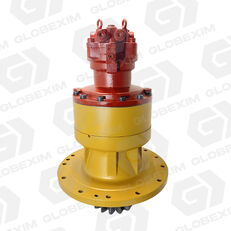
38K9-11100 hydraulic motor for Hyundai R300LC-9S R300-9S excavator


If you decide to buy equipment at a low price, make sure that you communicate with the real seller. Find out as much information about the owner of the equipment as possible. One way of cheating is to represent yourself as a real company. In case of suspicion, inform us about this for additional control, through the feedback form.
Before you decide to make a purchase, carefully review several sales offers to understand the average cost of your chosen equipment. If the price of the offer you like is much lower than similar offers, think about it. A significant price difference may indicate hidden defects or an attempt by the seller to commit fraudulent acts.
Do not buy products which price is too different from the average price for similar equipment.
Do not give consent to dubious pledges and prepaid goods. In case of doubt, do not be afraid to clarify details, ask for additional photographs and documents for equipment, check the authenticity of documents, ask questions.
The most common type of fraud. Unfair sellers may request a certain amount of advance payment to “book” your right to purchase equipment. Thus, fraudsters can collect a large amount and disappear, no longer get in touch.
- Transfer of prepayment to the card
- Do not make an advance payment without paperwork confirming the process of transferring money, if during the communication the seller is in doubt.
- Transfer to the “Trustee” account
- Such a request should be alarming, most likely you are communicating with a fraudster.
- Transfer to a company account with a similar name
- Be careful, fraudsters may disguise themselves as well-known companies, making minor changes to the name. Do not transfer funds if the company name is in doubt.
- Substitution of own details in the invoice of a real company
- Before making a transfer, make sure that the specified details are correct, and whether they relate to the specified company.
Seller's contacts

 +86 189 289...
+86 189 2896 5241


 China


 China


 China


 China


 China


 China


 China


 Bulgaria, PERNIK


 Poland, Zebrzydowa

 Poland, Zebrzydowa


 Netherlands, Wouw


 Poland, Zebrzydowa


 Bulgaria, PERNIK
 Poland, Tarnowskie Góry


 Bulgaria, PERNIK


 Bulgaria, PERNIK


Hyundai 39Q6-40100 - 39Q6-40101 hydraulic motor for Hyundai R210-9 R235-9 R220-9A RB220-9S excavator
Netherlands, Wouw

 Poland, Tarnowskie Góry


 Bulgaria, PERNIK
Product Overview
The most common cause of a swing motor failing shortly after it is fitted is not the motor — it is the pump that died before it. When a main pump wears out, its debris enters the oil and circulates through every circuit, including the swing loop. The pump gets replaced because the machine stops; the swing motor keeps running with that contaminated oil, and months later its pistons and bearings give out. The new motor is then blamed for a fault that started upstream.
For R300LC‑9S and R300‑9S machines, this rotational drive motor — reference 38K9‑11100 — is supplied as a complete assembly with renewed pistons, bearings, brake plates and seals, mounting to the original flange and port geometry and bench‑verified before dispatch. Where a pump overhaul has been done in the recent past, fitting the swing motor together with a full circuit flush is what keeps the new unit out of that chain.
Core Advantages
1. Breaks the chain from a failed pump
Fitting with a circuit flush prevents residual debris from reaching the new rotating group.
2. Correct timing against overhaul work
Where the pump has already been changed, the swing motor goes in after the flush rather than before it.
3. Braking and acceleration restored together
Renewed plates and internals bring both back in one fitting.
4. Growling under load removed at source
Noise with a loaded bucket indicates internal leakage. Fresh pistons and bearings address it.
5. Bench results give a clean baseline
With a verified unit and a clean circuit, any later complaint has a known starting point.
Manufacturing & Quality Control
Piston bores and bearing seats are machined to print tolerance, matched by size, and assembled with new seals and brake plates. Each unit is bench‑run to verify rotation, torque and brake holding, with results recorded against the reference. Units ship drained, ports capped, shaft protected, and packed in foam‑lined crates.
Frequently Asked Questions
Q1: Does the unit arrive with the brake release solenoid or sensors?
A: The assembly is supplied as the hydraulic motor itself. Solenoids, sensors and harness plugs are supplied separately on request, since build specifications differ between machines.
Q2: Can the existing oil be reused after fitting?
A: No. Once a pump or motor has worn, the oil carries fine debris that no filter removes. Refill with new oil of the specified grade after flushing.
Q3: What should be checked on the first day of running?
A: Case drain flow, oil temperature after a working shift, acceleration delay and any creep after braking. Note the readings so later changes are visible.
Q4: What precautions apply to cold starting?
A: Warm the hydraulic oil with low‑speed operation before full swing work, and avoid immediate full‑load cycles. Thick oil and a dry circuit are the worst combination for a new unit.
Q5: Does this also suit the ‑7 series or other 30‑ton Hyundai models?
A: The ‑7 and ‑9S ranges use different swing references in several builds. Send the machine serial and a photograph of the existing tag, and we confirm the fit before dispatch.
Q6: How should a fleet stock these?
A: One spare does not cover a mixed fleet. A 22‑ton unit will not fit a 30‑ton machine, and the reference codes look alike. Stock by tonnage class and label the crates with the code.